Mandala DS: one design system for 6 products
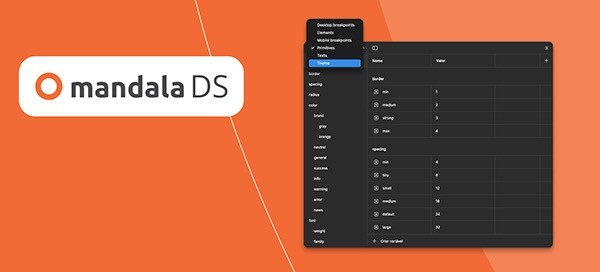
I built and maintain Mandala DS, the Sittax design system, with reusable tokens and components, so anyone on the team can build screens to the same standard.
- Role
- Senior UX Designer
- Company
- Sittax
- Period
- 2024 to present
- Team
- Design, with the teams of all 6 products
- 60%less development time per product, approximately
- 6products on the same system
Context
Sittax has 6 products for accounting firms and tax professionals. To keep them consistent and speed up delivery, design had to scale beyond screens drawn one by one. The answer was a system the whole team could use.
What I did
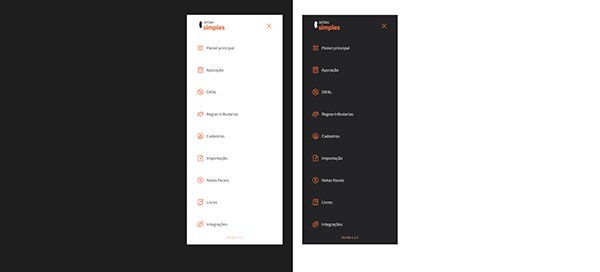
- Tokens and components. I defined color, type and spacing tokens and a library of reusable components, with special attention to the patterns tax software relies on most: forms, navigation and data tables.
- UI kit. I built the UI kit in Figma as the single source of truth for design and engineering.
Why this matters now
With AI, anyone on the team can generate a screen in seconds. Without a documented system, every generated screen invents its own look and the product turns into a patchwork. With tokens, components and written rules, AI generates within the standard, and design review can focus on what matters: the flow, the exceptions and accessibility.
Results
The design system is used by all 6 of the company’s products and cut development time per product by about 60%.